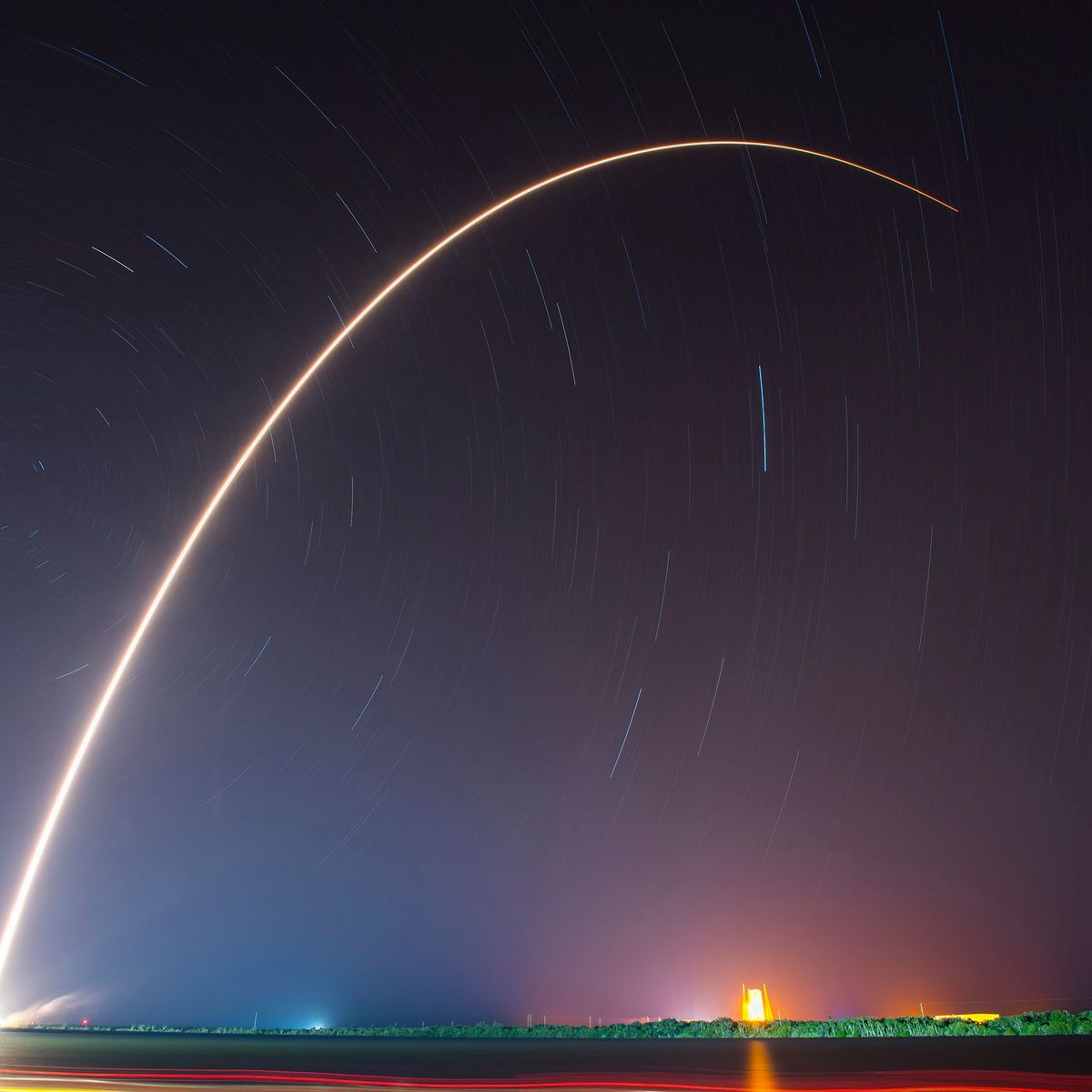
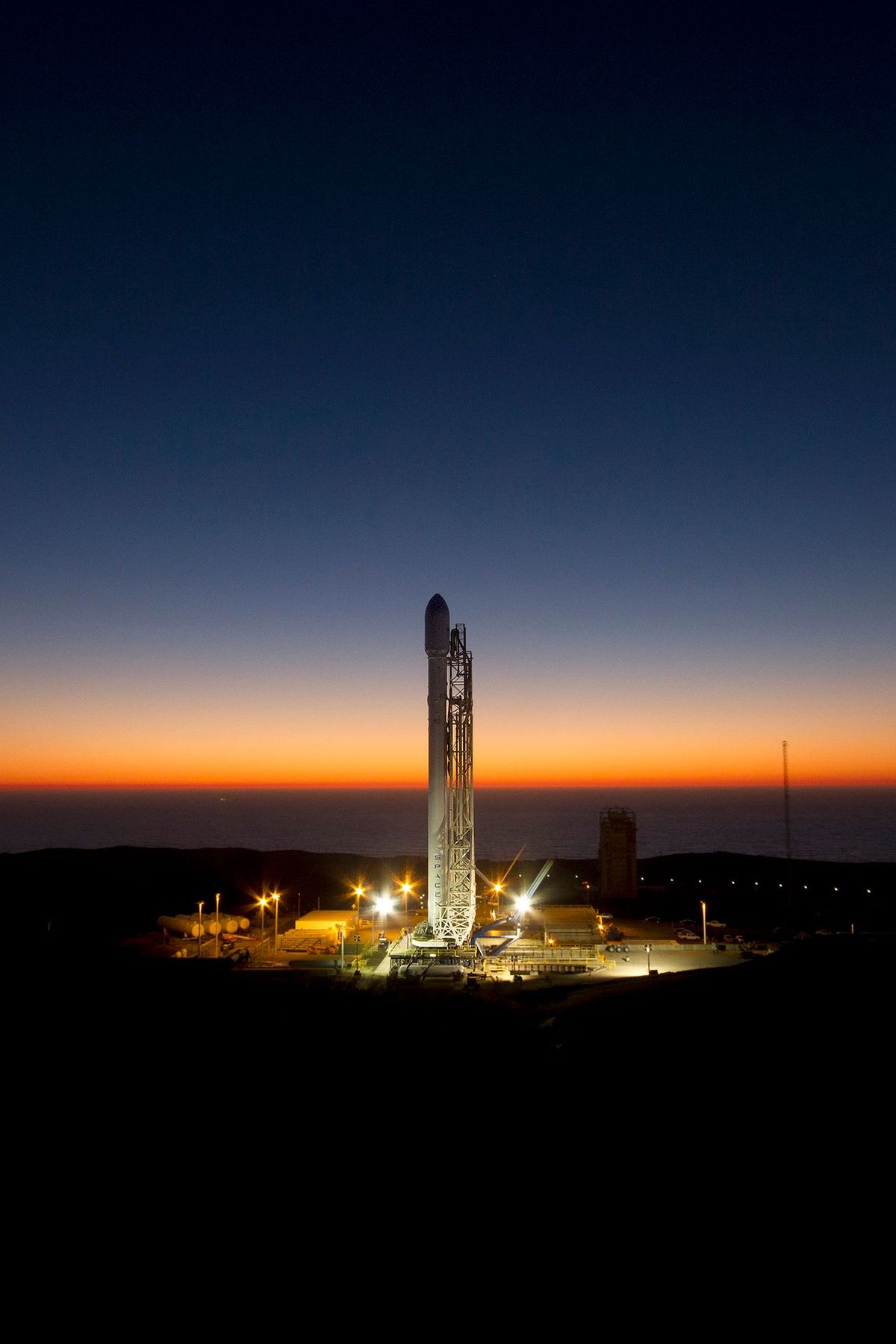
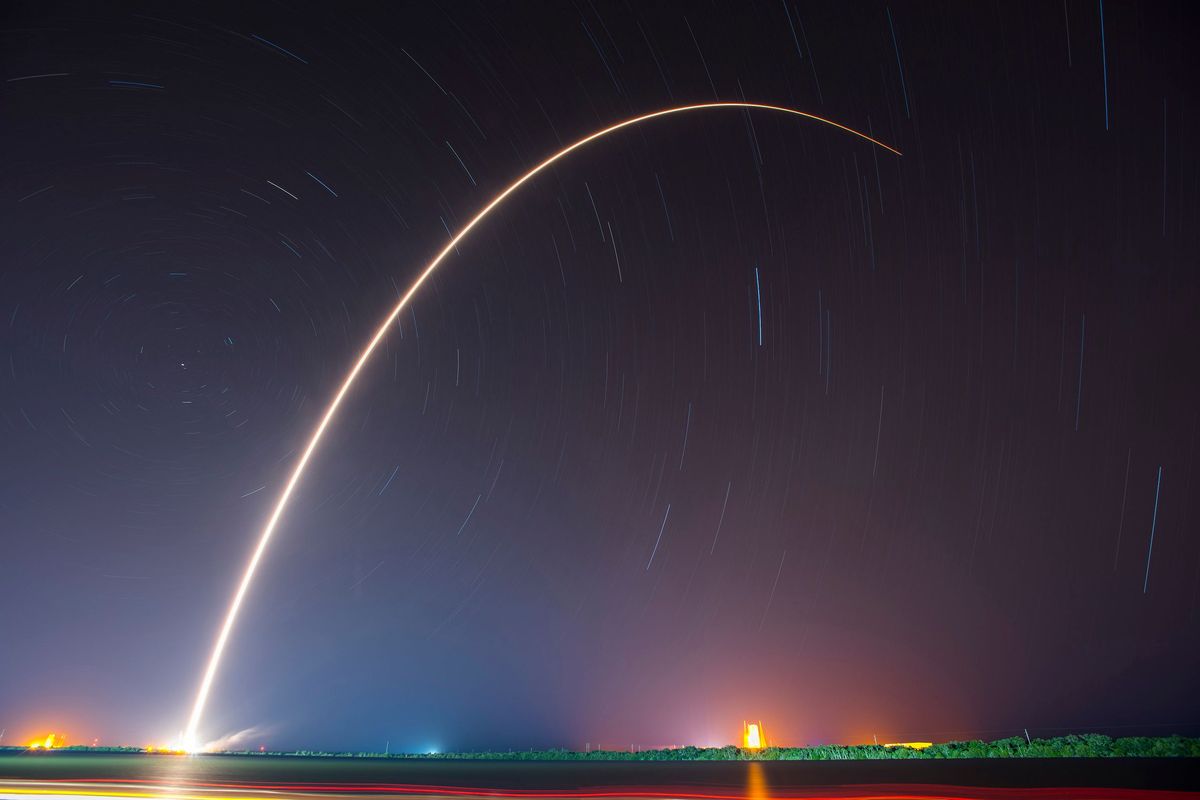
Where the smart money is going above the Kármán line — funds, infrastructure, and the maturation of space investing.
— i.
Space Economy Investment 2026: Where the Smart Money Is Going
SpaceX’s 2026 public listing targets roughly $1.75 trillion. Where disciplined capital is actually going — connectivity, the picks-and-shovels layer, and sovereign demand.
Read the dispatch →
— ii.
Orbital Infrastructure: The Trillion-Dollar Bet
Satellites, spectrum, ground systems, and orbital compute are drawing record capital. What investors must understand about infrastructure first — and which trillion they’re betting on.
Read the dispatch →
— iii.
Space SPACs to Space Funds: How Investing in Orbit Evolved
The 2021 space SPAC boom burned investors; the 2026 market runs on venture funds, ETFs, and IPOs. How investing in orbit grew up — and what changed.
Read the dispatch →
— iii.
The Ground Station Gold Rush: Space’s Unsexy Trillion-Dollar Layer
While investors chase rockets and satellites, the ground station market is quietly consolidating. With 50,000+ satellites planned by 2030, whoever controls the downlink controls the data — and the economics are better than launch.
Read the dispatch →
— iii.
Golden Dome: The $38 Billion Order Book Reshaping Commercial Space
Congress has committed more than $38 billion to Golden Dome in eight months. The Pentagon's own estimate is $185 billion; the CBO's model reaches $1.19 trillion. Whatever the final number, the buying has already started — and it is buying constellations, not single satellites.
Read the dispatch →
— iii.
What Does It Cost to Launch a Satellite in 2026?
A rideshare slot on a Falcon 9 now costs $350,000 for 50 kilograms. A dedicated Electron flight costs about $7.5 million. The per-kilogram price decides which space businesses work — and which ones never get off the ground.
Read the dispatch →
— iii.
Space Debris Regulation: Who Pays When Orbit Gets Crowded
The FCC's first space-debris fine was $150,000. The Liability Convention has been invoked once, in 1978. As constellations multiply, the bill for a crowded orbit is coming due — and no one has agreed who pays it.
Read the dispatch →
— iii.
How Long Until Space Manufacturing Pays for Itself?
A capsule landed in Utah carrying 150 milligrams of a drug worth more than its weight in gold. The company behind it has raised $598 million. The question is not whether space manufacturing works. It is whether it pays — and when.
Read the dispatch →